Human-PoweredFlight Research Team
Building the next chapter of human-powered flight.
"The founding mission of the Human-Powered Flight Research Team is to beat the endurance world record of human-powered flight — set by MIT Daedalus in 1988 during its historic flight between the Greek islands of Crete and Santorini."
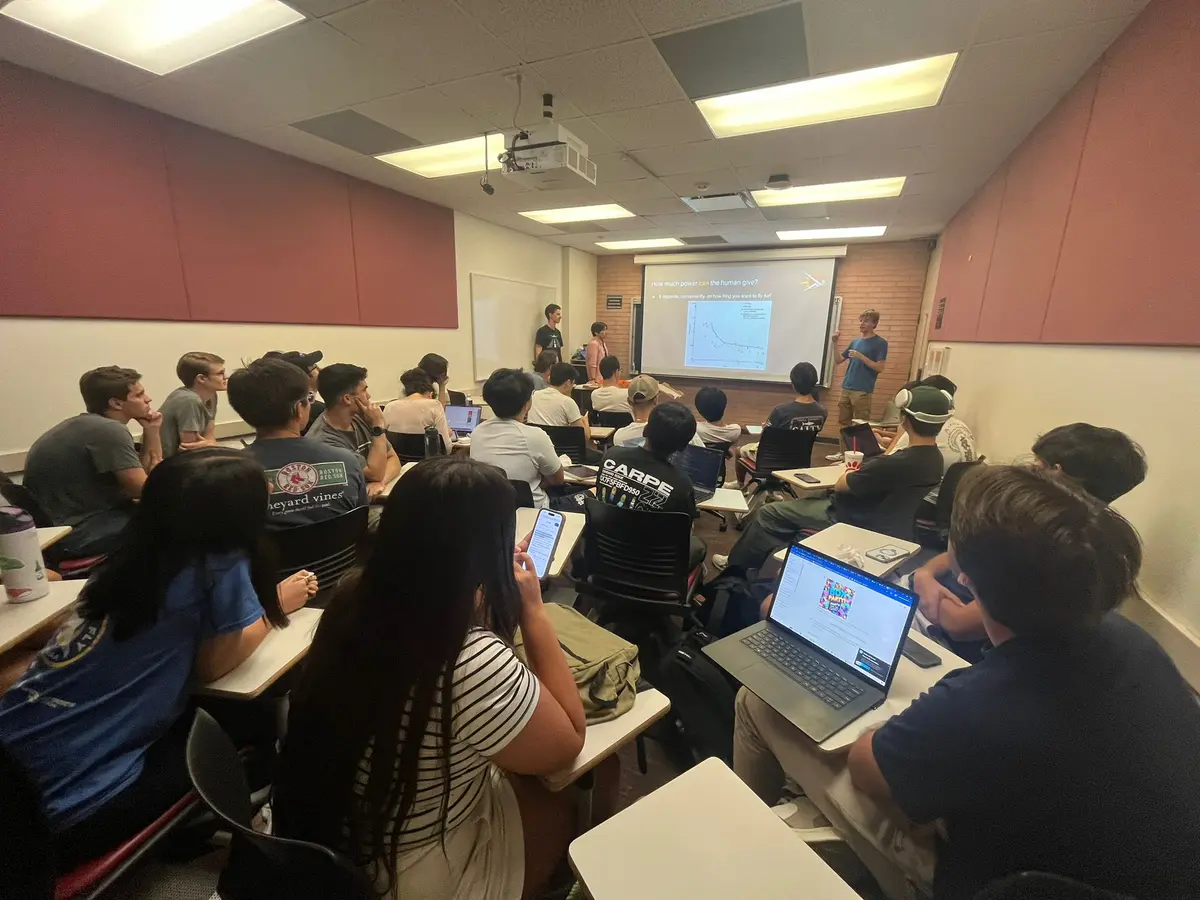
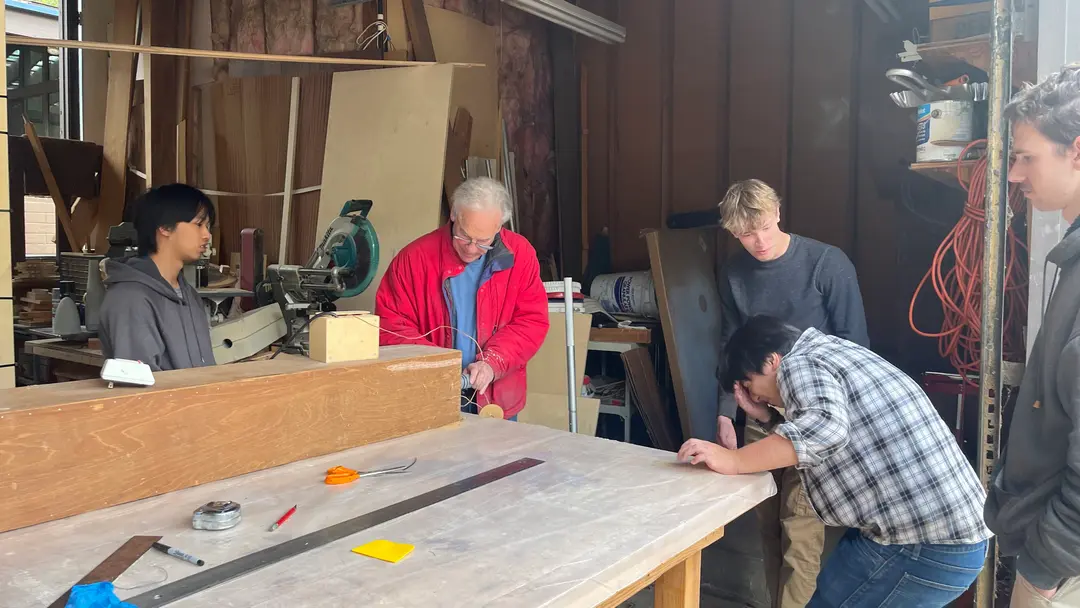
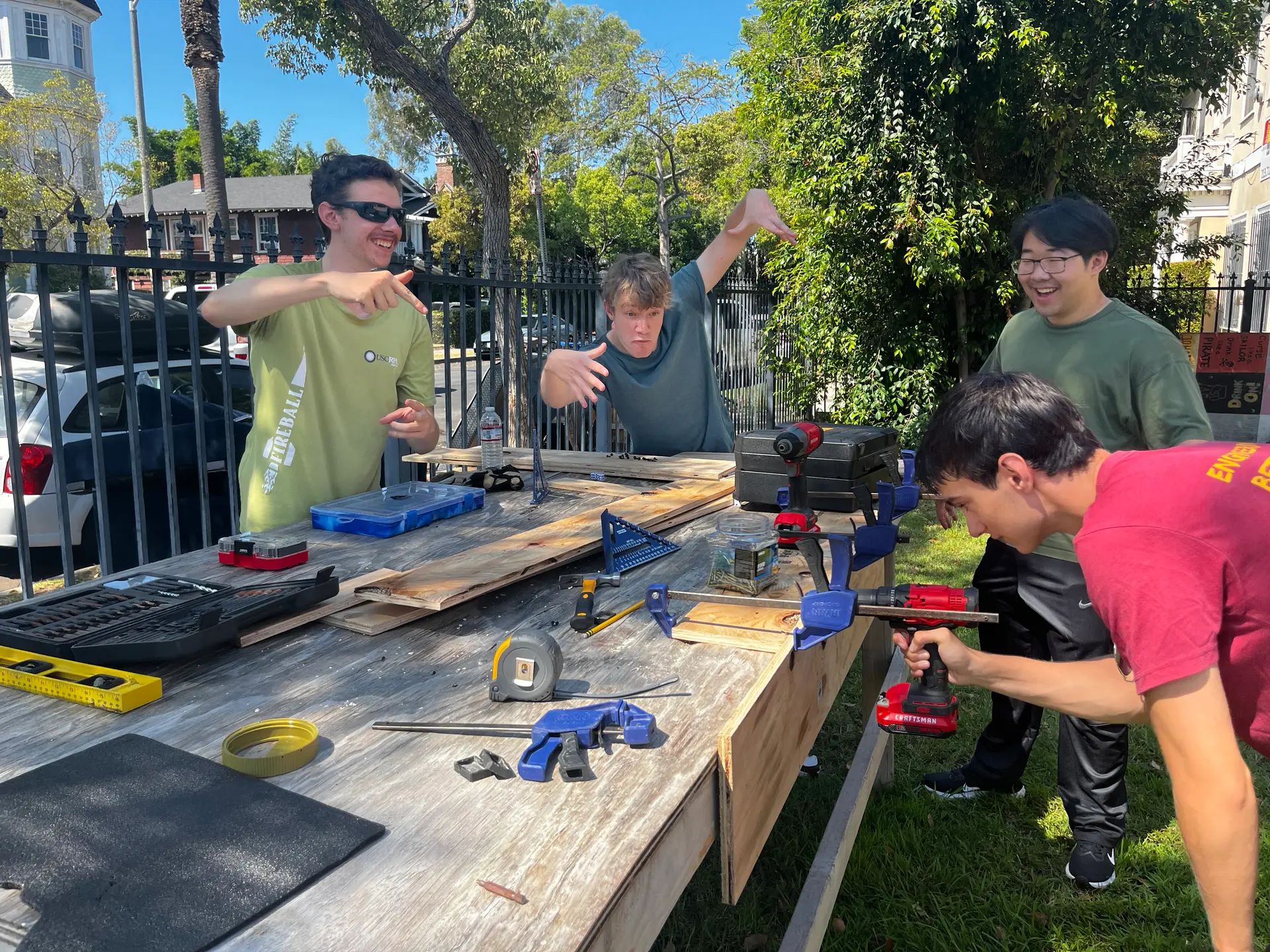
As the only design team at USC working on a human-rated flying vehicle, we aim to arm students with real design, analysis, and testing skills similar to what they might encounter in industry.
In other words, we wish to build great engineers while building great aircraft.
MIT Daedalus
Year established
Distance across Aegean Sea
Aircraft empty weight
Sustained pilot power
Gossamer Condor
Designed by Dr. Paul MacCready and piloted by Bryan Allen. Completed the Kremer Prize figure-eight course, achieving the first sustained human-powered flight.
Gossamer Albatross
Also designed by MacCready. Piloted by Bryan Allen across the English Channel (22.26 miles in 2 hours, 49 minutes) to win the second Kremer Prize.
MIT Daedalus
Piloted by Greek Olympic cyclist Kanellos Kanellopoulos across the Aegean Sea. Flew 71.53 miles in 3 hours, 54 minutes, setting records that still stand today.
HPFRT Founded
Founded at USC by undergraduate aerospace engineers David Moeller Sztajnbok, Nicholas Lototsky, and Jonah Colagross with the singular goal of breaking the endurance record.
Redbull Flugtag
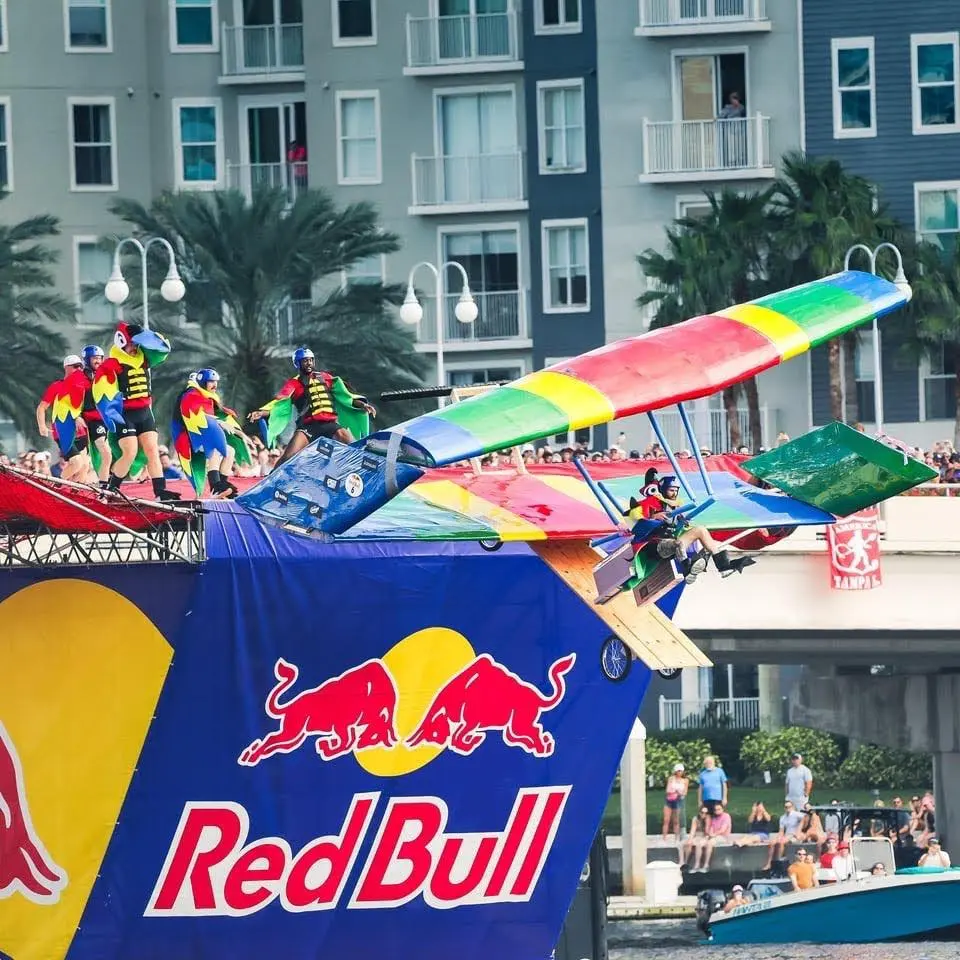
Our engineered entry for the 2024 Redbull Flugtag in Tampa, FL. An exercise in rapid prototyping, creative aerodynamics, and structural survival.
HATB Testbed Flight
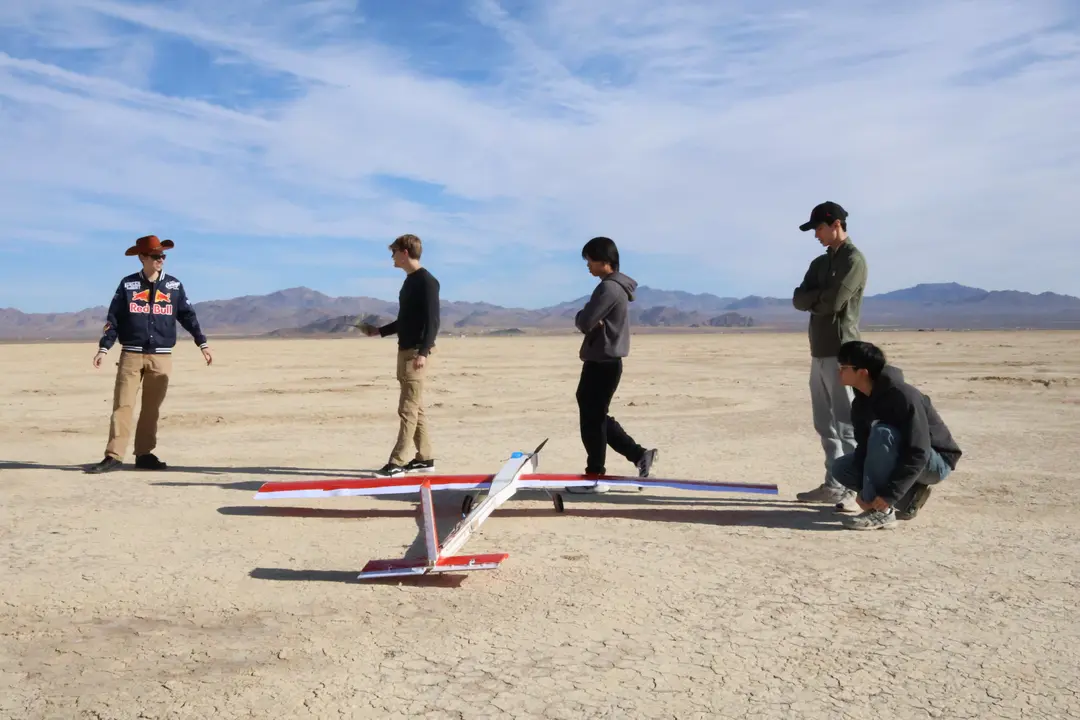
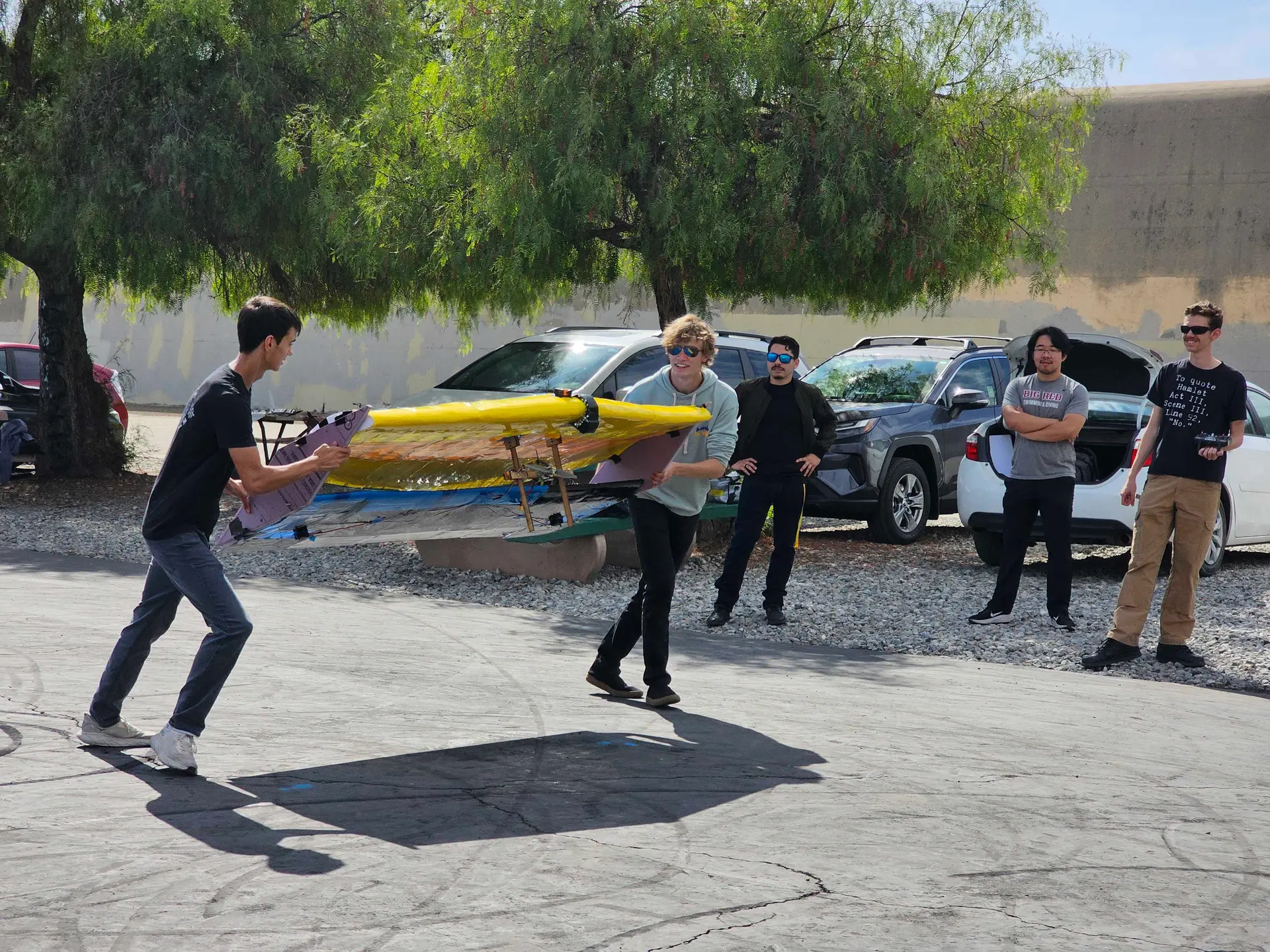
Development and flight testing of the Human-Powered Avionics Testbed (HATB), a 10 ft wingspan aircraft for rigorously testing data acquisition and telemetry.
Quarter-Scale RC Flight
Target for the completion and first flight of Project Hercules, our 25-foot wingspan RC test aircraft to validate aerodynamics and stability before full-scale manufacturing.
Full-Scale Development
The next chapter: building the 100+ ft wingspan human-powered aircraft to sustain flight for over 4 hours and challenge the Daedalus record.